Top Reasons to Visit a Gin Bar This Weekend
Weekend plans tend to fall into familiar patterns. The same restaurant, the same pub, the same quick drink that turns into a routine rather than a real outing. A good Gin Bar breaks that pattern in a way few venues can. It offers enough sophistication to feel like an occasion, enough variety to keep the evening interesting, and enough warmth to avoid becoming stiff or performative.
That mix matters. People often assume a gin-focused venue is only for dedicated spirit enthusiasts, the sort of guests who want to discuss botanicals for half an hour before the first sip. In practice, the best gin bars are more welcoming than that. They reward curiosity without demanding expertise. You can walk in knowing your preferred tonic and leave with a new favorite drink, a better sense of your own taste, and a stronger appreciation for how much range gin really has.
If your weekend needs a setting that feels social, polished, and just a little more memorable than another generic night out, a Gin Bar is a strong choice.
Gin offers far more variety than most people expect
One reason people return to good gin bars is simple: gin is not one-note. A lot of drinkers still carry around an outdated image of gin as sharply juniper-forward, almost medicinal, and best tolerated rather than enjoyed. That image comes from limited exposure, usually a basic gin and tonic made with a standard London Dry and whatever tonic happened to be on hand.
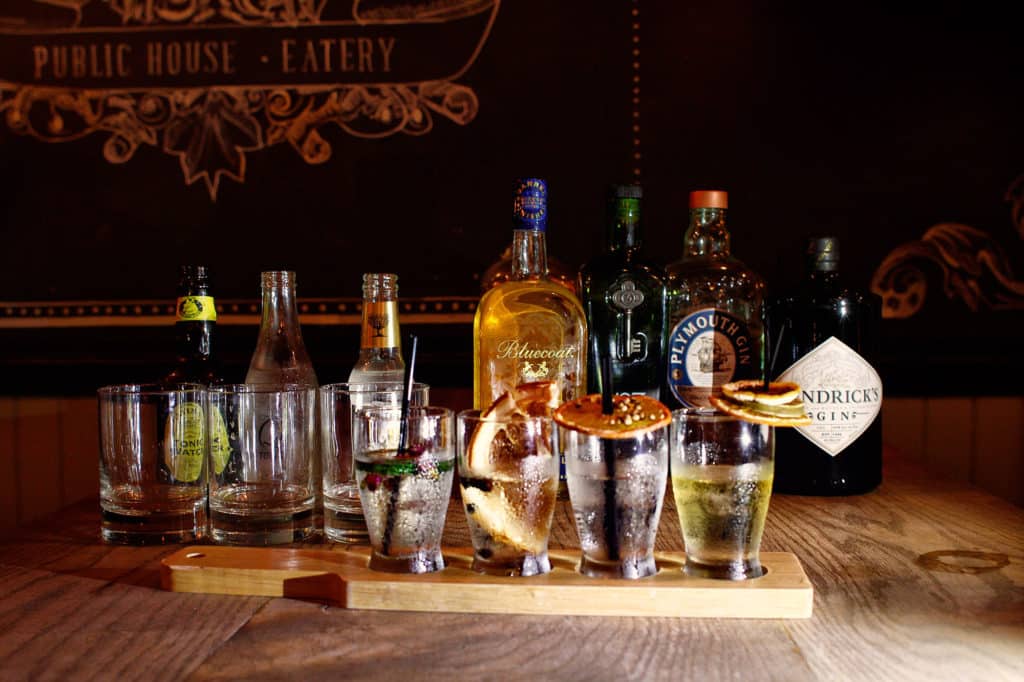
A serious Gin Bar quickly corrects that impression. Put five gins side by side and the differences can be striking. One leans citrusy and bright, another floral and soft, another earthy with roots and spice, another coastal and saline, another clean and piney in the classic style. Even when juniper remains the legal and stylistic backbone, the supporting botanicals change the whole experience.
That range is what makes a visit feel worthwhile. You are not just ordering a drink. You are exploring a category with more depth than many casual drinkers realize. In the same way that a wine bar can show the difference between regions and grape styles, a gin-focused venue can reveal how production choices shape the final glass. Distillation method, botanical mix, base spirit, proof, garnish, and tonic selection all matter.
The best part is that this complexity does not require homework. A skilled bartender can narrow the field quickly. If you say you like fresh citrus, dislike heavy sweetness, or usually drink vodka soda but want something more interesting, that is enough to start with. Good recommendations turn what could be an overwhelming menu into an enjoyable conversation.
A Gin Bar makes the ordinary drink order feel thoughtful again
Many nights out begin with autopilot. Beer, house red, vodka soda, repeat. There is nothing wrong with familiar choices, but familiar choices rarely make an evening stand out. A Gin Bar restores a sense of selection and intention without making the process feel formal.
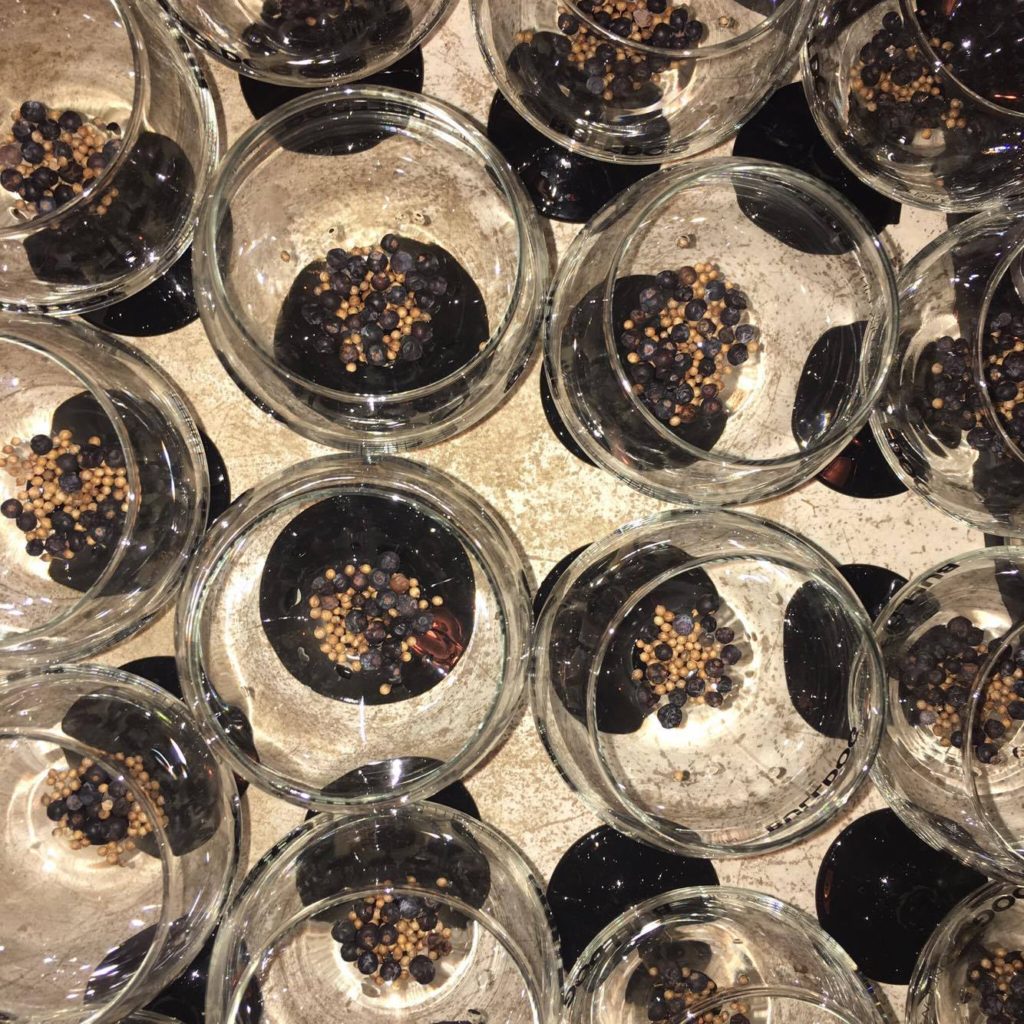
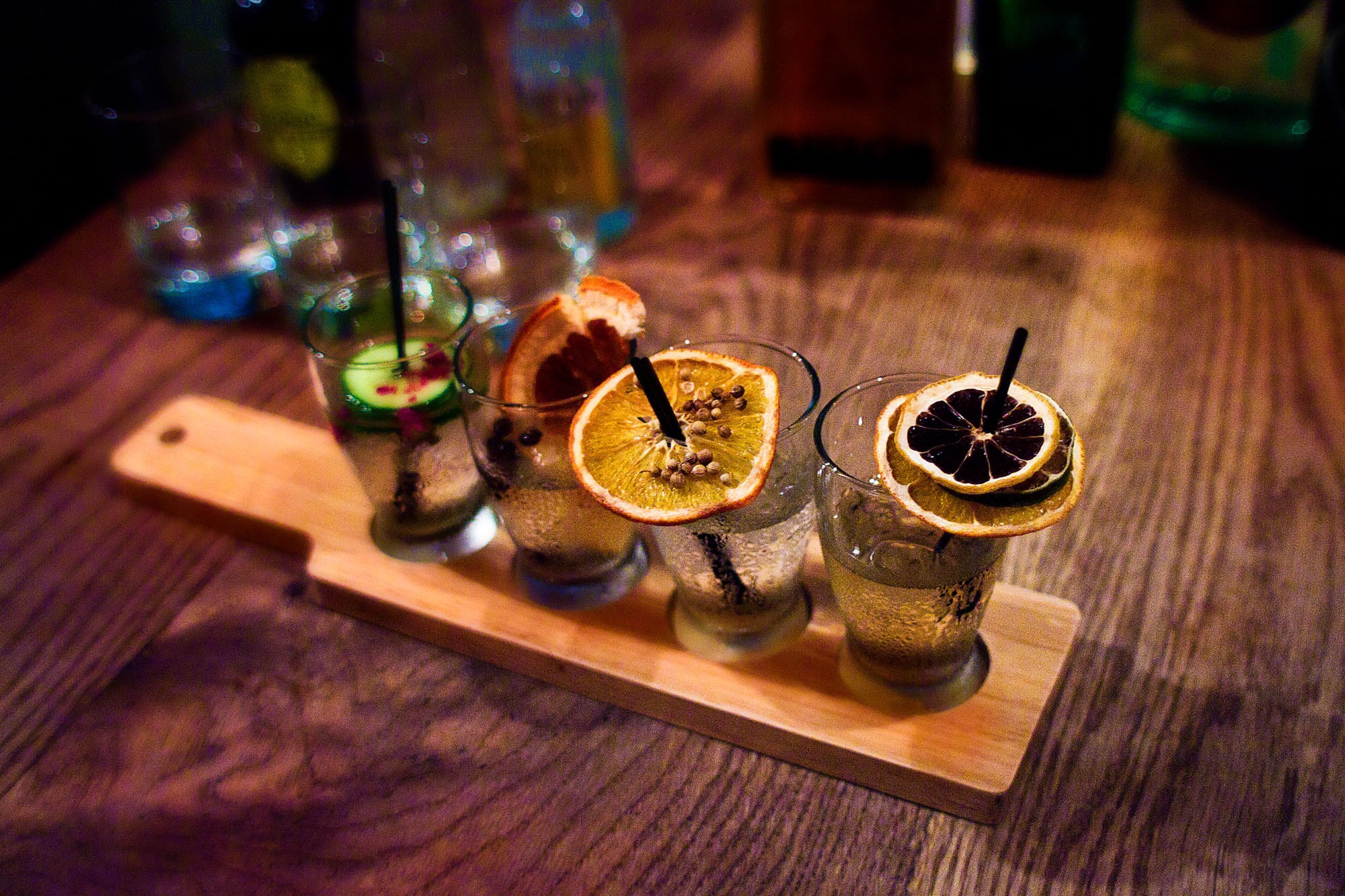
Even a simple gin and tonic can become a better drink in that setting. Instead of a generic pour, you might be offered a gin with notes of grapefruit and rosemary paired with a tonic that is less aggressively sweet. The garnish might actually connect to the spirit rather than serve as decoration. A twist of orange, a slice of pink grapefruit, a sprig of thyme, or a few lightly crushed juniper berries can sharpen or soften the aromatics in ways that become obvious from the first sip.
That attention to detail changes the pace of a night. People slow down a little. They taste rather than consume. They compare impressions across the table. Someone orders a martini variation with a savory olive brine, someone else tries a bright Collins, someone decides they finally understand why a properly chilled Negroni has such loyal followers. The experience becomes more than transactional.
I have seen this happen with groups that arrived convinced they were “not gin people.” Often the issue was not gin itself. It was that they had only ever had poorly balanced versions of it. One drink made with care can reverse years of indifference.
Bartenders at good gin bars usually know how to guide, not lecture
A true specialist bar earns its reputation through staff as much as stock. This is especially important with gin because the category is broad enough to confuse people and distinctive enough to provoke strong preferences. A bartender who understands both the product and the guest makes all the difference.
At a strong Gin Bar, service tends to feel consultative in the best sense of the word. You mention what you usually enjoy, and the bartender translates that into practical options. If you like crisp, dry drinks, they may steer you toward a martini build with a more restrained gin. If you prefer something fragrant and easy, they may suggest a floral gin highball or a tonic pairing that lifts the botanicals rather than burying them.
What separates great service from merely informed service is judgment. Not every interesting bottle works in every cocktail. Not every premium gin justifies its price. Not every garnish improves a drink. Experienced bartenders know when to keep things classic and when to introduce something unexpected.
That expertise also protects you from the common mistake of over-ordering novelty. Menus at gin bars can be tempting. House infusions, signature serves, unusual tonics, smoked botanicals, barrel-rested expressions, savory cocktails, frozen twists on classics. It is easy to chase the most dramatic option. A good bartender can tell when a guest would be happier with a beautifully executed standard than with a flashy drink that photographs well but lands poorly.
The setting tends to encourage better conversation
There is a practical reason to choose a Gin Bar on a weekend that has nothing to do with spirits. The atmosphere is often easier to enjoy than the atmosphere in louder, less focused venues. Many gin bars aim for a balance between energy and comfort. They want people to stay for a second round, maybe a third, and that usually means music at a level that still allows conversation.
That matters more than people admit. If the point of going out is to spend actual time with friends, a date, or visiting family, then the environment has to support that. A room where every sentence requires repetition becomes tiring fast. A room with some texture, a bit of design, decent lighting, and bartenders who can interact without shouting tends to produce a better night.
Gin also helps set that tone. Compared with venues built around shots or volume drinking, a Gin Bar usually attracts guests who are interested in flavor. That does not make the crowd stuffy. It often makes them more relaxed. People settle in. They talk. They notice what is in the glass.
For dates, this is particularly useful. A gin bar can feel more intentional than a random pub but less loaded than an expensive tasting menu. There is enough built-in interest to keep the conversation moving. If one of you knows gin, there is something to share. If neither of you does, there is something to discover together.
You can taste craftsmanship in a way that is hard to fake
Some hospitality trends are mostly branding. A stylish interior carries the night while the actual drinks are forgettable. Gin bars that survive and build regular followings usually do so because their product reveals effort.
The craftsmanship shows up in small decisions. Glassware is chilled when it should be chilled. Ice is clean, solid, and sized for the drink. Citrus is fresh rather than drying at the edges. The tonic is opened for service rather than losing carbonation in advance. Measurements are consistent, which means your second drink is as balanced as your first. These details sound minor until you experience them done well, then it becomes difficult to ignore when they are missing elsewhere.
Gin, perhaps more than some other spirits, exposes sloppy execution. Its botanicals are aromatic and expressive, which means imbalance shows quickly. Too much tonic and the gin disappears. Too little dilution and the alcohol dominates. The wrong garnish can flatten the drink or push it into bitterness. That is why a proper Gin Bar can be so satisfying. When the fundamentals are right, the drinks have precision without feeling precious.
There is also a different kind of craftsmanship in the curation itself. A thoughtful back bar tells a story. You might see established London Dry labels beside newer regional distilleries, navy strength bottles beside contemporary floral styles, local craft options beside classic international names. That range lets guests compare not just brands but approaches.
It is one of the easier ways to try something new without committing to a whole bottle
For many people, curiosity about spirits ends at the price tag. Buying a bottle of gin you may not enjoy is a gamble, especially when better bottles can be expensive. A visit to a Gin Bar lowers the risk. You can try one pour, one cocktail, or one recommended serve and decide from there.
This is particularly useful if you are trying to refine your own taste. Maybe you know you like citrus but cannot tell whether you prefer lemon brightness, orange roundness, or grapefruit bitterness. Maybe you suspect that floral gins are not for you, but you have only tried one. Maybe you love martinis and want to understand whether the gin or the vermouth has been driving your preference all along.
A bar gives you a controlled environment for that kind of experimentation. You can ask questions while the flavors are in front of you. You can compare your reaction to different styles in real time. In some venues, the staff will even offer half measures or flights, though that varies by bar and by local licensing rules.
The value goes beyond the drink itself. Spending a bit more on a quality single serve can save you from spending far more on a bottle that gathers dust in the cupboard.
Gin works across seasons and moods, which makes it ideal for a weekend outing
One reason gin bars remain relevant rather than niche is that gin is remarkably flexible. In warm weather, it shines in long, refreshing drinks that feel crisp and open. In cooler months, it holds up in spiced, herbaceous, and more spirit-forward builds that feel substantial without becoming heavy.
That flexibility suits weekends because weekends are not all the same. Sometimes you want a bright early-evening drink before dinner. Sometimes you want a late-night cocktail with more depth. Sometimes you are meeting a friend for one civilized round. Sometimes you are gathering a small group and staying for hours.
A good Gin Bar can handle all of those scenarios. You might start with a spritz-style serve, move to a classic G and T, and finish with a martini or a Negroni. That progression feels natural because gin adapts so well to different formats. Few categories can move from light and sparkling to bold and bitter without losing their identity.
This also makes a gin bar useful for mixed groups. Not everyone wants the same thing, and not everyone has the same tolerance for sweetness, bitterness, or alcohol strength. Gin-based menus often accommodate that spread better than people expect. One guest can have something tall and easy, another can order a serious stirred cocktail, and a third can ask for a low-alcohol option built around aromatics and tonic.
Food pairings are often stronger than people anticipate
Wine gets most of the attention when people talk about pairing drinks with food, but gin is an underrated partner at the table or alongside small plates. A weekend visit to a Gin Bar can easily become a more complete outing if the venue serves snacks, tapas, or a concise food menu.
The botanical profile of gin makes it especially friendly with foods that have freshness, salinity, or herbal character. Oysters, cured salmon, olives, citrus-dressed salads, hard cheeses, fried seafood, grilled prawns, and charcuterie often pair beautifully with the right gin drink. A clean, dry gin and tonic can cut through rich or salty bites better than many heavier cocktails. A martini can be superb with briny snacks. A citrus-led gin serve can brighten fried food in a way that feels lively rather than cloying.
The best venues understand this and shape the menu accordingly. They do not need a full kitchen to make the pairing work. Even a short list of smart bar food can elevate the whole visit. If you are planning an evening that begins with drinks and may or may not turn into dinner, this kind of place gives you room to decide as the night unfolds.
It can be a genuinely better value than a trendier night out
People do not always associate specialist bars with value, but a good Gin Bar often compares well against more fashionable options. You are paying for quality ingredients, skill, and atmosphere, yes, Gin Bar but you are also more likely to receive a drink that feels worth the price.
There is a difference between expensive and high value. An expensive drink arrives in a dramatic glass, loaded with decorations, and tastes forgettable. A high-value drink is balanced, distinctive, and made with intent. Many gin bars lean toward the second category because their regular guests notice quality. They come back for consistency, not spectacle.
There is also the practical matter of pacing. Gin drinks, especially spirit-forward ones or well-built tonics with proper serves, often encourage slower drinking. That can mean a more measured bill over the course of a night than a venue where rounds move quickly and thoughtlessly. It also tends to produce a better next morning, which is not a trivial factor when choosing where to spend a weekend evening.
What to look for before you choose a gin bar
Not every place that lists fifteen gins deserves the label. If you want the experience to live up to the idea, a little discernment helps. The strongest signs are usually visible before you order.
Look for a menu that tells you something meaningful, not just brand names. Thoughtful descriptions, tonic pairings, or staff notes suggest care. Pay attention to whether classics appear alongside house drinks. If a bar can execute a clean martini, a proper Negroni, and a simple gin and tonic with confidence, that is often a better sign than a menu crowded with gimmicks. Notice whether the room feels welcoming rather than performative. Specialist knowledge should make a bar easier to enjoy, not harder to enter.
It is also worth checking whether the bar’s style matches your own plans. Some gin bars are quiet and polished, ideal for conversation. Others are livelier and better for groups. Neither is wrong, but the fit matters. A Friday date needs one kind of energy. A Saturday catch-up with friends may need another.
The strongest reason is the hardest to quantify
At some point, all the practical arguments give way to a simpler truth. A good Gin Bar makes a night feel considered. That is increasingly rare. So many social spaces now chase speed, volume, or novelty for its own sake. A gin bar, at its best, offers pleasure with a bit more texture than that.
You notice the scent before the glass reaches the table. You notice the cold weight of proper stemware or a solid highball. You notice that the garnish has a purpose. You take the first sip and get bitterness, citrus, herb, spice, or soft floral lift in sequence rather than as a blur. The room hums rather than roars. Conversation opens up. Another round sounds appealing, not because the first disappeared too fast, but Gin Bar because it was genuinely good.
That combination of sensory detail, human skill, and social ease is what makes the visit worth planning. It turns an ordinary weekend drink into an actual experience.
If your recent nights out have felt interchangeable, a Gin Bar is one of the easiest ways to change that. You do not need to be a connoisseur. You just need enough curiosity to order something with attention and enough time to enjoy where it takes the evening.
The Winslow
243 E 14th St
New York, NY 10003, United States
Phone: +1 212-777-7717
FAQ About Gin Bar
How to do a gin tasting?
Start with a small pour and gently smell the gin before taking a small sip. Notice its juniper, citrus, floral or spice notes, then compare how the flavor changes with a little water or tonic. At a gin bar, ask the bartender to explain the selection and botanical pairings.
How to make the best tasting gin and tonic?
Use chilled gin, fresh tonic and plenty of ice. A common starting ratio is one part gin to two parts tonic, adjusted to taste. Choose a garnish that complements the gin's botanicals and stir gently to preserve the bubbles.
What is the smoothest tasting gin?
There is no single smoothest gin for everyone. Perceived smoothness depends on the botanical recipe, alcohol strength, serving temperature and mixer. Describe whether you prefer citrus, floral, herbal or juniper-forward flavors so a bartender can suggest a suitable style.